

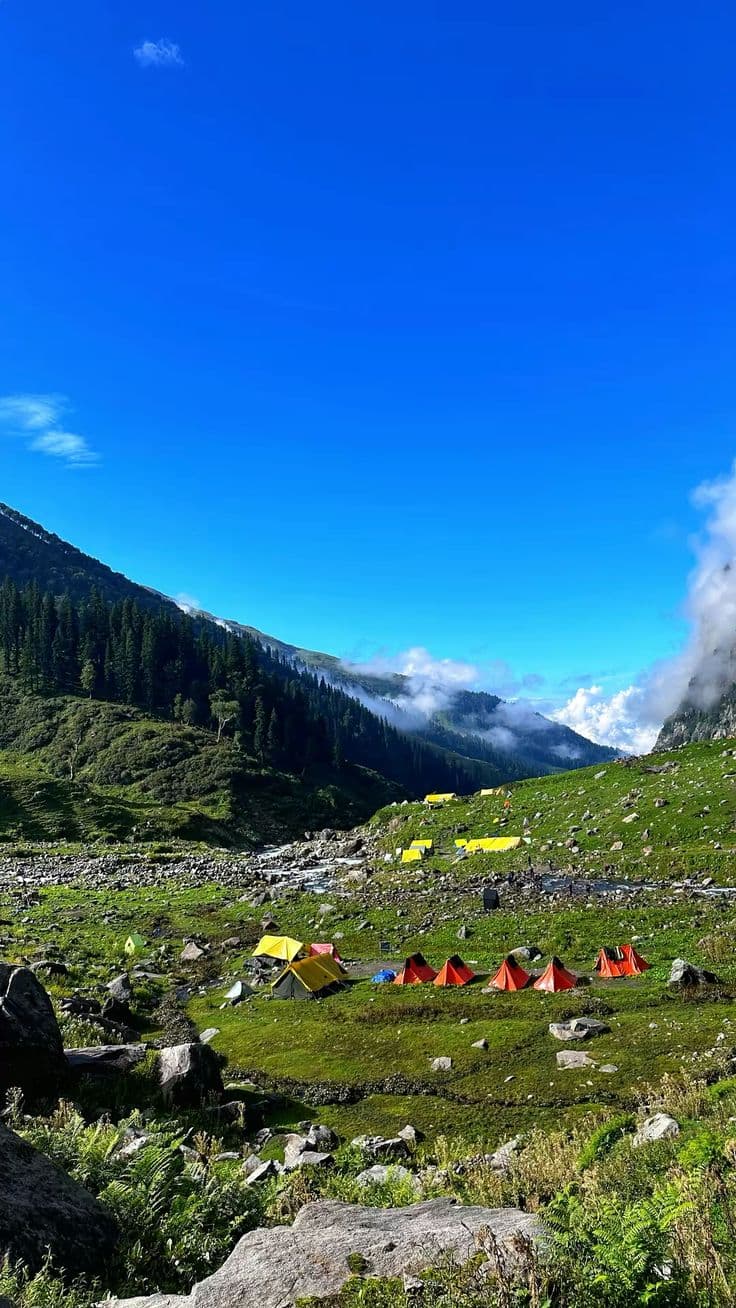
How to Prepare for Your First Himalayan Trek
The Himalayas don't forgive unpreparedness — but they reward those who show up ready.
Introduction
Your first Himalayan trek is one of those experiences that splits life into before and after. The scale is unlike anything you've seen, the silence is deeper than you thought possible, and the physical challenge is real — but so is the reward.
The difference between a miserable experience and a life-changing one almost always comes down to preparation. Not just buying the right gear, but training your body, understanding the mountain environment, and knowing what to expect before you lace up your boots.
This guide covers everything a first-time Himalayan trekker needs to know.
Step 1: Choose the Right Trek for Your First Time
Not all Himalayan treks are equal. Starting with something too technical or too high can be dangerous and demoralizing. For beginners, the goal is a trek that challenges you without overwhelming you.
Good first-time Himalayan treks:
| Trek | Max Altitude | Duration | Difficulty | |------|-------------|----------|------------| | Kedarkantha | 3,810 m | 6 days | Easy–Moderate | | Chopta Chandrashila | 4,090 m | 4–5 days | Moderate | | Valley of Flowers | 3,658 m | 5–6 days | Easy–Moderate | | Brahmatal | 3,962 m | 6 days | Moderate | | Roopkund | 5,029 m | 8–9 days | Difficult |
First-timer advice: Stay under 4,500 m for your debut. Save Roopkund and Rupin Pass for after you've got a season under your belt.
Step 2: Start Physical Training — At Least 8 Weeks Out
This is the step most people skip. Don't.
Trekking in the Himalayas means walking 10–18 km a day on uneven terrain, often at altitude, with a 7–12 kg pack on your back. Your cardiovascular system, legs, and core need to be ready.
Cardio Training
Build aerobic endurance progressively:
- Weeks 1–2: 30-minute brisk walks or jogs, 4x per week
- Weeks 3–4: Increase to 45–60 minutes; add incline if possible
- Weeks 5–6: Add stair climbing with a loaded daypack (5–7 kg)
- Weeks 7–8: Long weekend hikes (2–3 hours), back-to-back days
Strength Training
Focus on functional strength, not gym aesthetics:
- Squats and lunges — for ascent and descent control
- Step-ups — mimic the actual motion of climbing
- Dead hangs and rows — for pack-carrying endurance
- Plank and core work — stability on rocky terrain
Don't Neglect Descents
Going downhill is harder on your knees than going up. Train specifically for it — find a long staircase, loaded pack, slow controlled steps down.
Step 3: Understand Altitude and Acclimatisation
This is the most important safety topic for any Himalayan trek.
What Happens to Your Body at Altitude?
As you go higher, air pressure drops and there is less oxygen available per breath. Your body responds by breathing faster, increasing heart rate, and eventually producing more red blood cells. This adaptation takes time — and if you go too fast, too high, things go wrong.
Acute Mountain Sickness (AMS)
AMS is the most common altitude illness. Symptoms include:
- Persistent headache
- Nausea or vomiting
- Dizziness and fatigue
- Difficulty sleeping
- Loss of appetite
AMS typically appears above 2,500 m and gets worse if you ignore it and push higher.
The golden rule: If symptoms appear, do not ascend. Descend if they worsen.
Acclimatisation Best Practices
- Follow the "climb high, sleep low" principle
- Gain no more than 300–500 m of sleeping altitude per day above 3,000 m
- Take a rest day every 2–3 days
- Hydrate constantly — minimum 3–4 litres of water per day
- Avoid alcohol and sleeping pills in the first few days at altitude
- Consult a doctor about Diamox (Acetazolamide) if you have a history of AMS — carry it as a precaution
Step 4: Gear Up — What You Actually Need
The gear world can overwhelm a first-timer. Here's what genuinely matters versus what's optional.
The Non-Negotiables
Footwear A good pair of waterproof, ankle-support trekking boots is the single most important gear decision you'll make. Break them in for at least 4–6 weeks before the trek — blisters from new boots on Day 1 can ruin an entire expedition.
Layering System The Himalayan weather can shift from warm sunshine to sleet in under an hour. You need a three-layer system:
- Base layer: Moisture-wicking (merino wool or synthetic). Not cotton.
- Mid layer: Insulating fleece or down jacket
- Outer layer: Waterproof, windproof shell jacket
Backpack For multi-day treks: 40–55L main pack. For day hikes from camp: 20–25L daypack.
Trekking Poles Non-negotiable for descents. They reduce knee stress by up to 25% and improve balance on loose terrain. Adjustable, collapsible poles work best.
Sleeping Bag For most Himalayan treks: rated to at least -10°C. Many operators provide sleeping bags — confirm with your trek company.
Headlamp With spare batteries. Pre-dawn starts are common.
The Essentials Kit
- Sunscreen SPF 50+ (UV radiation is intense at altitude)
- UV-blocking sunglasses
- Lip balm with SPF
- Wool or fleece gloves + liner gloves
- Warm trekking hat + sun cap
- Gaiters (for snow treks)
- Trekking socks — at least 3 pairs, wool blend
- Quick-dry trekking trousers
First Aid & Medical Kit
- Diamox (consult a doctor first)
- ORS sachets
- Pain relief (Paracetamol / Ibuprofen)
- Blister kit (moleskin, antiseptic, bandages)
- Antacids and anti-diarrheal medication
- Personal prescription medications (with extra supply)
- Pulse oximeter (cheap, lightweight, and potentially lifesaving)
Pro tip: A pulse oximeter measures blood oxygen saturation (SpO₂). Normal at sea level is 95–100%. Below 85% at altitude is a warning sign. Pick one up before the trek — they cost under ₹800.
Step 5: Sort the Paperwork and Logistics Early
Permits
Most Himalayan treks in Uttarakhand and Himachal Pradesh require forest/national park entry permits. These are usually arranged by your trek operator, but always confirm.
For treks near protected areas (Valley of Flowers, Nanda Devi, Pin Valley), permits are mandatory and have limited daily quotas.
Inner Line Permits (ILP)
If your trek takes you close to the Indo-China or Indo-Pakistan border (e.g., Spiti, Ladakh, parts of Sikkim), you'll need an Inner Line Permit. Apply well in advance.
Travel Insurance
Non-negotiable for Himalayan trekking. Make sure your policy covers:
- High-altitude trekking (specifically above 4,000 m)
- Emergency helicopter evacuation
- Medical hospitalisation
Verify the altitude limit on your policy carefully — many standard travel insurance plans only cover up to 3,000 or 4,000 m.
Step 6: Nutrition and Hydration on the Trail
Eating Right
At altitude, appetite often decreases — but your body needs more fuel. Force yourself to eat, even when you don't feel hungry.
On the trail:
- Trail mix, nuts, and dry fruits for consistent energy
- Energy bars and dark chocolate
- Glucose biscuits for quick sugar
At camp:
- Hot meals are essential for morale and recovery
- Dal, rice, khichdi, rotis, and maggi are standard Himalayan trail food — and genuinely satisfying after a hard day
Hydration
Dehydration accelerates AMS. Drink water consistently throughout the day — don't wait until you're thirsty. Add ORS to one bottle per day for electrolyte balance.
Avoid: Alcohol for the first 3 days at altitude. It dehydrates you and disrupts sleep quality.
Step 7: Mental Preparation — The Part Nobody Talks About
Physical fitness gets you up the mountain. Mental resilience keeps you going when your legs are burning, the weather turns, and you still have 4 km to camp.
Prepare for:
- Discomfort — cold mornings, long days, limited bathing facilities, basic toilet setups
- Slow progress — the mountain sets the pace, not you
- Group dynamics — you'll be sharing space with strangers for days
- Bad weather days — it's the Himalayas. Rain, fog, and snow happen. Have a book.
The trekkers who have the best experience are almost always the ones who let go of the need to control every variable and simply show up present for whatever the mountain gives.
Step 8: Leave No Trace — Trek Responsibly
The Himalayan ecosystem is fragile. Every trekker has a responsibility to protect it.
- Carry all non-biodegradable waste back — wrappers, bottles, batteries
- Use designated toilet areas only — never near water sources
- Do not pick flowers or disturb wildlife
- Stay on marked trails
- Do not burn plastic — ever
- Support local porters and guides — pay fair wages, tip well
The mountains have survived for millions of years. It's our job to make sure they survive our visits too.
Pre-Trek Checklist
8 Weeks Out
- [ ] Choose your trek and book with a reputable operator
- [ ] Begin cardio and strength training
- [ ] Get a basic health check-up
- [ ] Book travel insurance (altitude-specific)
4 Weeks Out
- [ ] Purchase and break in trekking boots
- [ ] Assemble gear and clothing layers
- [ ] Confirm permits and documentation
- [ ] Visit a doctor about Diamox if needed
1 Week Out
- [ ] Pack and weigh your bag (aim under 12 kg)
- [ ] Charge all electronics; carry power banks
- [ ] Download offline maps (Maps.me or Gaia GPS)
- [ ] Inform someone at home of your itinerary
Day Before
- [ ] Sleep well — last night of comfort
- [ ] Hydrate throughout the day
- [ ] Confirm pickup/transport arrangements
Final Word
There is no perfect time to start. You will never feel 100% ready, and the Himalayas will humble you regardless of how prepared you are — that's part of the deal.
But put in the training, respect the altitude, carry the right gear, and go with an experienced team — and your first Himalayan trek will become one of the defining experiences of your life.
The mountains are waiting.
Ready to head to the mountains?
Browse Our Treks →