

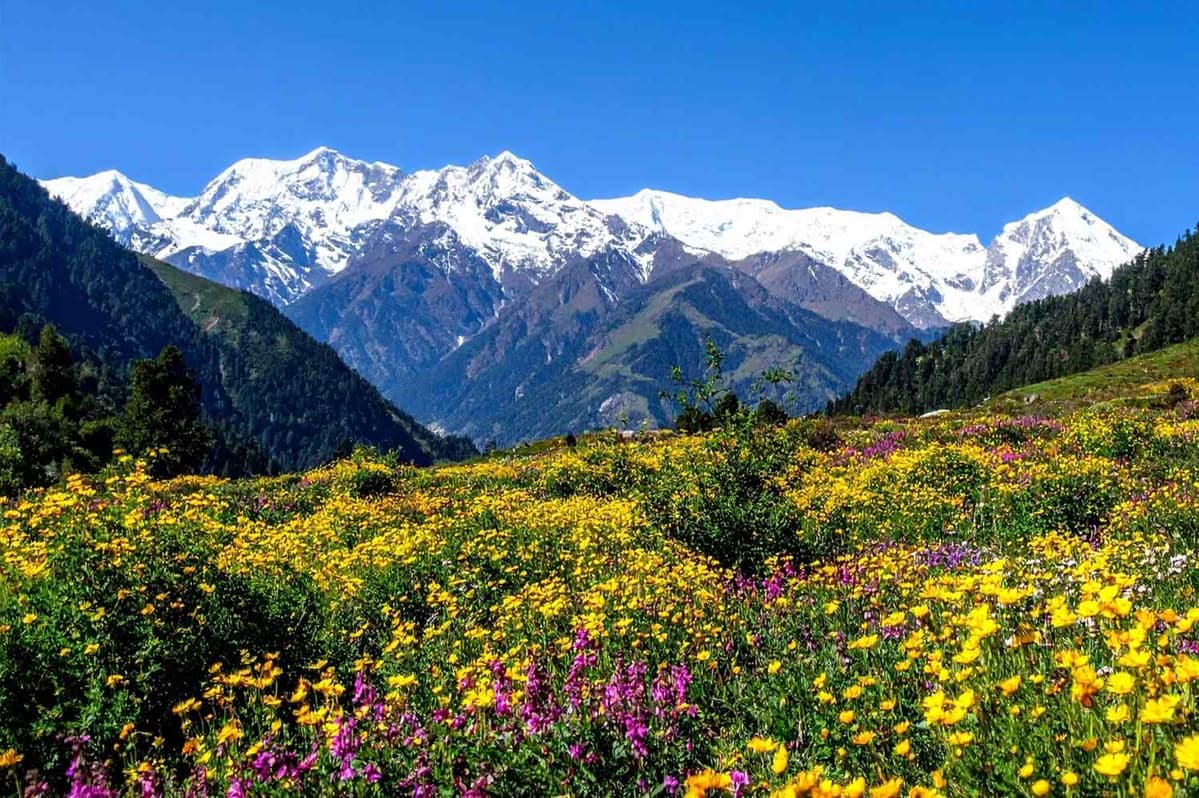
Valley of Flowers Trek: Best Time to Visit
The Valley of Flowers doesn't just bloom — it performs. Here's when to catch the show at its peak.
Overview
Tucked away in the Chamoli district of Uttarakhand at an elevation of 3,352 to 3,658 metres, the Valley of Flowers National Park is one of India's most otherworldly destinations. A UNESCO World Heritage Site since 2005, this alpine valley comes alive every monsoon with hundreds of species of wildflowers, painting the landscape in violets, yellows, reds, and whites.
But timing your visit makes all the difference. Visit too early and the snow hasn't fully melted. Visit too late and the bloom is over. This guide breaks down exactly when to go — and when not to.
When Does the Valley of Flowers Open?
The Valley of Flowers is officially open from June 1 to October 31 each year. This window is strictly maintained by the forest department, as the valley remains buried under snow for the rest of the year.
Note: The opening date can shift slightly depending on snowmelt. It's always advisable to confirm with the forest department or your trek operator before heading out.
Month-by-Month Breakdown
🌱 June (Early Season) — The Snow Recedes
Best for: Adventure seekers, photographers who want dramatic snow-meets-bloom landscapes
June marks the very beginning of the trekking season. The snow begins to melt, revealing the first hints of green. Early blooms like primulas and potentillas start to appear. The trails can be icy and slippery in the first two weeks, and the flower density is still low compared to peak months.
Weather: Cool, 5°C–15°C. Some snowfall possible in early June. Crowd Level: Very low Bloom Status: 20–40% — early flowering species only
🌸 July — The Valley Awakens
Best for: Trekkers looking for a balance of flowers and manageable weather
July is when things start getting interesting. Monsoon rains begin, triggering a dramatic burst of colour across the valley floor. Himalayan blue poppies, marsh marigolds, anemones, and daisies start dominating the landscape. The green is lush, the air is crisp, and the waterfalls are at their most powerful.
However, the monsoon also brings slippery paths and leech-prone trails below Ghangaria. Pack accordingly.
Weather: 8°C–18°C. Frequent afternoon rain showers. Crowd Level: Moderate Bloom Status: 60–75% — strong variety, increasing density
🌺 August — The Peak Bloom Season (Best Month to Visit)
Best for: First-timers, wildflower enthusiasts, and photographers
August is the undisputed best month to visit the Valley of Flowers. The valley is in full bloom with over 500 species of flowers in synchronised colour — Brahmakamal, blue poppies, cobra lilies, saussurea, and dozens more. The diversity is staggering. Every step on the trail looks like a painting.
This is also the season for the famous Nanda Devi Raj Jaat Yatra (held every 12 years), which passes near the region.
Weather: 10°C–20°C. Rain is frequent but manageable. Crowd Level: High — expect company on the trail Bloom Status: 95–100% — peak perfection
🍂 September — Autumn Colours Take Over
Best for: Trekkers who want solitude and autumn landscapes
As August ends, the lush greens and bright flowers slowly give way to warm amber, ochre, and rust tones. The monsoon starts retreating, the skies clear up, and the mountain views become sharper. The crowd also thins significantly.
The flowering is largely over by mid-September, but the valley takes on a different kind of beauty — quieter, more contemplative.
Weather: 5°C–15°C. Drier skies, cooler nights. Crowd Level: Low Bloom Status: 20–40% — late-season blooms and seed pods
❄️ October — Last Call Before Closure
Best for: Experienced trekkers who want the valley almost entirely to themselves
October is the final month before the valley closes. Temperatures drop sharply, especially at night, and early snowfall is possible at higher elevations. The flowers are gone, but the views of the surrounding peaks — including Nanda Devi, Kamet, and Rataban — are exceptional on clear days.
Not recommended for first-time trekkers or those without cold-weather gear.
Weather: 0°C–10°C. Cold nights, possible early snow. Crowd Level: Very low Bloom Status: Minimal
Quick Reference: Best Time at a Glance
| Month | Weather | Bloom Status | Crowd Level | Recommended For | |-------|---------|--------------|-------------|-----------------| | June | Mild | Early blooms | Low | Adventure seekers | | July | Rainy | Good | Moderate | General trekkers | | August | Warm & rainy | Peak | High | Everyone | | September | Clear & cool | Late blooms | Low | Solo trekkers | | October | Cold | Minimal | Very low | Experienced only |
What Flowers Will You See?
The valley hosts over 520 species of wildflowers, including many rare and endemic Himalayan species:
- Brahmakamal (Saussurea obvallata) — Uttarakhand's state flower, blooms in August
- Himalayan Blue Poppy (Meconopsis aculeata) — rare, stunning blue blooms
- Cobra Lily (Arisaema) — unusual, hood-shaped flowers
- Marsh Marigold (Caltha palustris)
- Anemone, Geranium, Potentilla, Primula
- Dactylorhiza (Orchids)
Valley of Flowers is also home to rare fauna including the Snow Leopard, Asiatic Black Bear, Blue Sheep, and Red Fox — though sightings are uncommon.
How to Reach the Valley of Flowers
Base Camp: Govindghat → Ghangaria (14 km trek or available helipad) Starting Point: Ghangaria → Valley of Flowers entrance (3 km)
Nearest Cities:
- Haridwar — 275 km (approx. 8–9 hrs by road)
- Dehradun — 295 km (approx. 9 hrs by road)
- Rishikesh — 253 km (approx. 8 hrs by road)
Nearest Airport: Jolly Grant Airport, Dehradun Nearest Railway Station: Haridwar / Rishikesh
Entry Fee & Permits
- Indian Nationals: ₹150/day (₹600 for 4 days)
- Foreign Nationals: ₹600/day
- Nanda Devi National Park Entry: Additional ₹150 for Indians
Permits are issued at the check post in Govindghat. Carry a valid government ID.
Tips for a Great Trek
- Book accommodation in Ghangaria early, especially if you're visiting in August.
- Carry a quality rain poncho — monsoon showers are unpredictable.
- Start early each day — the weather is clearest in the mornings.
- Stay on the designated trail — the park is a protected area; off-trail walking is prohibited.
- Hire a local guide — they know the wildflowers, can identify species, and navigate the terrain confidently.
- Acclimatise at Ghangaria on the first night before heading into the valley.
Valley of Flowers + Hemkund Sahib Combo
Most trekkers combine the Valley of Flowers with a visit to Hemkund Sahib, a Sikh pilgrimage site at 4,329 metres located just 6 km from Ghangaria. The two can be covered in a 5–6 day itinerary comfortably, making this one of the most rewarding treks in Uttarakhand.
Final Verdict
If you can only pick one time to visit, go in August. The weather is warm enough to be comfortable, the flowers are at maximum diversity and density, and the experience of walking through a blooming carpet of Himalayan wildflowers is something that stays with you long after you've returned home.
But if you love solitude, September is your secret weapon.
Ready to head to the mountains?
Browse Our Treks →